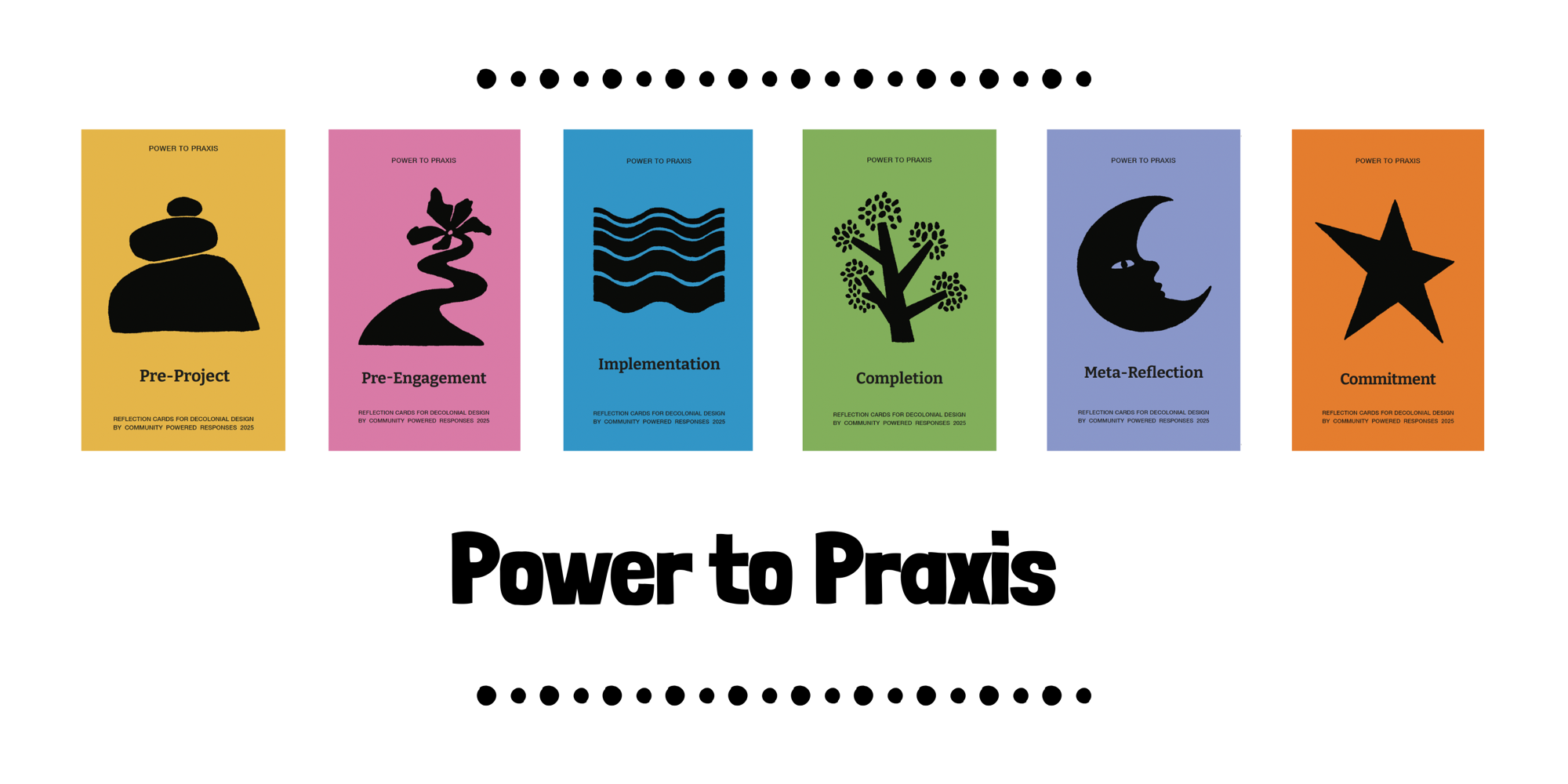
Every project carries assumptions before it even has a name. Who decided this work was needed? Whose priorities shaped the design? What would the community say if they were in the room when the budget was drafted?
The Pre-Project stage of the Power to Praxis Cycle invites us to slow down at the moment when momentum feels most exciting — before the proposal is submitted, before the workplan is locked, before the first community meeting is scheduled. Here are five questions worth sitting with.
1. Why this project, and why now?
Funding cycles, organisational strategies and donor priorities all shape what gets proposed. Naming those influences honestly is the first step towards designing something communities actually asked for.
2. Whose knowledge counts in the design?
If the logframe is finished before communities are consulted, participation has already been narrowed to feedback. What would it take to co-design the problem statement itself?
3. What power do we hold, and what are we willing to share?
Budgets, timelines and reporting lines are all forms of power. Deciding early where communities influence real decisions — not just activities — changes everything that follows.
4. What does accountability look like here?
Accountability to donors is built into every contract. Accountability to communities has to be built deliberately — through feedback loops, shared decision-making and honest conversations about what is and isn’t working.
5. How will we know if we should stop?
Not every project should proceed. Building in a genuine pause point — where community voices can reshape or even end a project — is one of the most powerful accountability mechanisms there is.
This is an example post to show how your blog will look. Replace it with your own writing whenever you’re ready.